
Chapter 173 of 301 · Conceived in Liberty by Murray N. Rothbard
34. Aftermath of Repeal

The glorious victory over the Stamp Act was of course celebrated throughout the American colonies. Houses were lit, songs composed, and toasts drunk to the English champions of repeal. Throughout the colonies, the Sons of Liberty triumphantly directed the celebrations, and in later years were to celebrate the anniversaries of this and such other great occasions of resistance as August 14. The victory was generally interpreted as a victory also for the right of the colonists to tax themselves. Moreover, the vague Declaratory Act was not thought to assert the right of taxation over and above the right to legislation and regulation. The various colonial assemblies drew up addresses of thanks to the king and Parliament for the repeal, but did not at all yield their constitutional stands.
But amidst their rejoicing, the more farsighted colonists saw the evils inherent in the Declaratory Act, harbinger of taxation to come. George Mason, a leading Virginia planter, replied sharply and trenchantly to a condescending letter by leading English merchants warning the colonists to behave themselves and not exult over their victory. The colonists, answered Mason, were tired of being treated as schoolboys, who are to “do what your papa and mama bid you.” The Americans have been fighting for their “birthright” as freemen, and have only gained common justice. Mason reminded the merchants that the stoppage of trade brought by resistance was a critical factor in repeal. He also detailed the infinite cost and trouble, perhaps including international war, that total military enforcement would have brought. Mason also warned of the suspect vagueness of the Declaratory Act, which failed to exclude taxation from the parliamentary domain.
In Charleston, Christopher Gadsden and the Sons of Liberty—one of the hardest-hitting and most-uncompromising Sons groups in the colonies—were not taken in by the general rejoicing. In a prophetic speech to the Sons at Charleston’s Liberty Tree, Gadsden warned of “the folly of relaxing their opposition and vigilance,” or of indulging the fallacious hope that Great Britain would relinquish “her designs and pretensions.” Gadsden noted the ominous implications of the Declaratory Act, and the Sons all joined hands and swore to eternal defense against tyranny. Furthermore, by mid-July, Silas Downer, a lawyer and secretary to the Providence Sons of Liberty, was writing to the New York Sons urging the need for maintaining the Sons’ effective intercolonial organization, as well as the intracolonial one, especially in view of the Declaratory Act and the consequent need for vigilance to preserve the rights of Americans.
But men like Downer, Mason, and Gadsden—as well as writers in such papers as the Boston Gazette—were voices crying in the wilderness. Americans were all too willing to relax and abandon themselves to the general rejoicing at victory. The Sons of Liberty organization largely evaporated, although the leaders continued to be active, especially on ceremonial occasions.
Despite the general lull among Americans, a strong residue of revolutionary radicalism remained from the Stamp Act crisis. People began to call into question more examples of existing British tyranny. For instance, in New York, some began to call for abolition of the customshouse and the royal post office as being unconstitutional and oppressive. And in Massachusetts the Whigs cemented their political hold on the province: the Council was purged of pro-Tories and a blacklist of thirty-two supporters of the Stamp Act in the Massachusetts House was drawn up—men whom John Adams scorned as “stamp men” and trimmers—and those thereon were largely purged in the elections of 1766. Sam Adams’ continuing popularity was shown by his receiving the largest vote of the four Boston representatives, and the radicals’ purge cleansed the Council of such Tories as Hutchinson, the Olivers, and Benjamin Lynde. The embittered Tories denounced the liberal victors as subverters and “scum,” while John Adams exulted at the total triumph. From this point on, the Council, dominated by the wealthy liberal merchant James Bowdoin, marched with the House on the side of American liberty.
In August 1766, trouble flared up with the British; the redcoats summarily cut down the Liberty Pole in New York City. Swiftly, the Sons, though largely disbanded, rose to the occasion and engaged in a protest meeting of several thousand people. During the meeting, British troops fired into the crowd, wounding several people. Finally, the Sons triumphed by building another pole and refusing to allow the soldiers to patrol the streets. A minor incident perhaps, but indicative of strong latent resistance beneath the new surface of imperial harmony.
For the moment, however, relations with Britain would continue to look rosy, and the Rockingham ministry, spurred on by Trecothick, Fuller, and the English merchants, managed to lower the molasses duty from threepence to one penny a gallon—another great boon to American trade and prosperity. Export duties on British West Indian sugar were removed, lowering its price on the American mainland. Still, American trade was at the same time hobbled by requiring that all colonial products shipped to northern Europe had to clear through British ports. Free ports were opened to colonial trade in the West Indies. But here Alderman Beckford, the Fullers, and the West Indian merchants, backed as usual by Pitt, sharply opposed the end of their monopolistic privileges. Pitt’s maneuverings on this issue, indeed, helped to pull down the Rockingham administration. Pitt’s enmity was also fueled by his vehement opposition to Rockingham’s long-run plans for the repeal of the crippling restrictions on American trade embodied in the Navigation Acts.
The Whig idyll of peace and noninterference was indeed doomed to be only an interlude, though a highly important one. The king, more eager than ever to dump the Whigs but anxious to avoid the resurgence of Grenville, selected William Pitt to head the cabinet in August 1766. The king could now select Pitt as head of a Tory imperialist cabinet, while the deluded Americans would cheer the appointment of a supposed libertarian and champion of the colonies. Pitt’s maneuvering and intrigues had finally paid dividends. His appointment was in fact hailed by the misguided Americans, but the colonists were not to remain under illusions about William Pitt for very long.
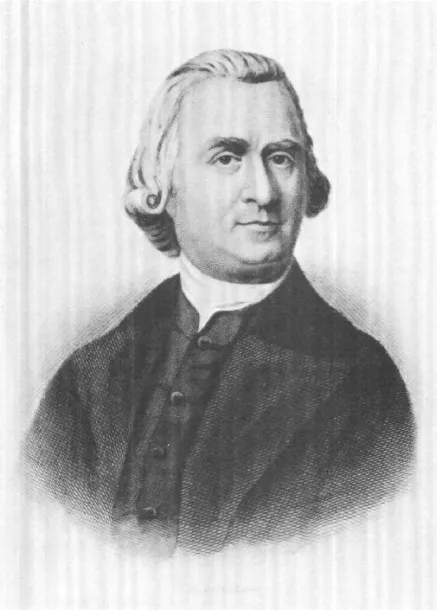
Courtesy of The New-York Historical Society, New York City.
Samuel Adams
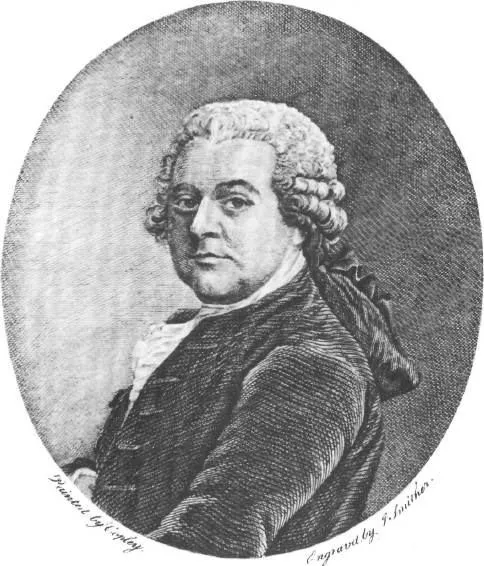
Courtesy of The New-York Historical Society, New York City.
John Adams
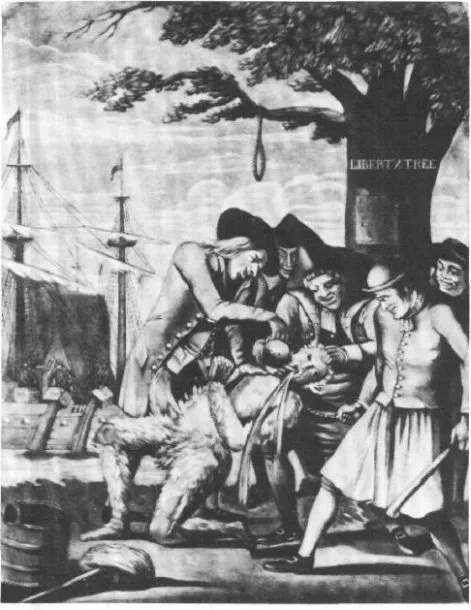
Courtesy of The New-York Historical Society, New York City.
1774 Caricature of the Bostonians Paying the Excise Man or Tarring and Feathering
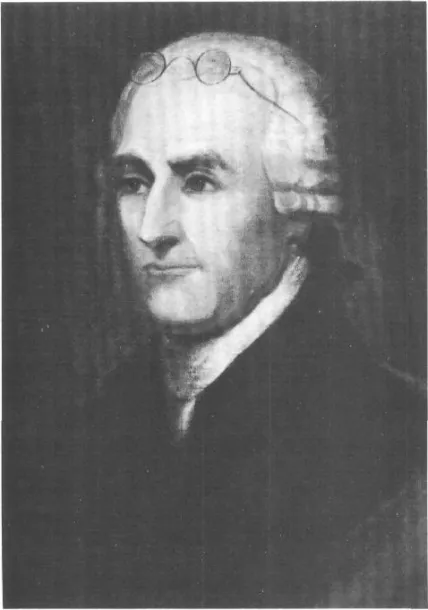
Courtesy of The New-York Historical Society, New York City.
Patrick Henry
(Known as the Aylett portrait)
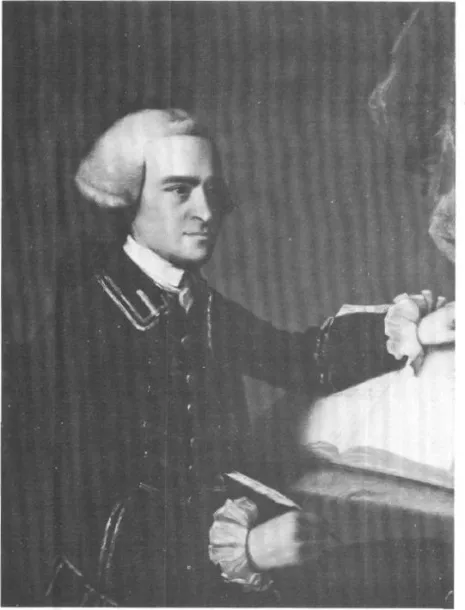
Courtesy of The New-York Historical Society, New York City.
John Hancock
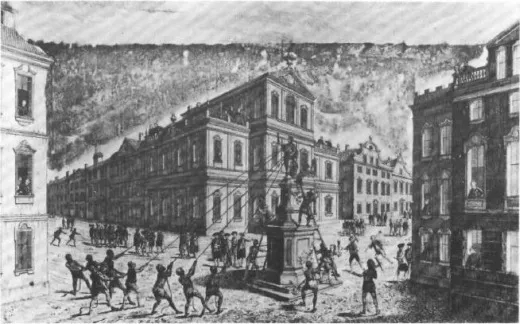
Courtesy of The New-York Historical Society, New York City.
Peep-show Print of the Destruction of the Statue of George III in New York
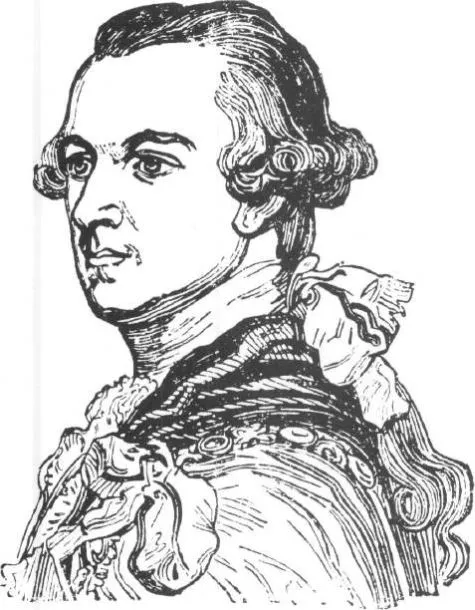
ROCKINGHAM.2
Courtesy of The New-York Historical Society, New York City.
Woodcut of the Marquis of Rockingham
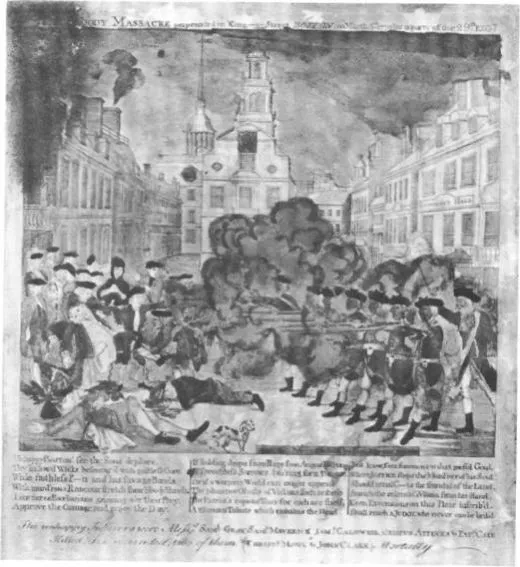
Courtesy of The New-York Historical Society, New York City.
The Boston Massacre
(Drawn, engraved, printed, and sold by Paul Revere)
Conceived in Liberty
Read the whole book online · Book details
This work is published under a Creative Commons licence. You may copy, share, and re-host it with attribution.